

Fatigue, stress, and lapses in attention are part of your teams’ daily reality.
What if the solution was a simple yet effective setup: the break room?
Thoughtfully designed, it becomes a true lever for workplace well-being, performance, and
talent retention.
A well-designed break room is much more than just a place to pause:
effectiveness on afternoon tasks
perceived stress by employees
quick adoption within teams
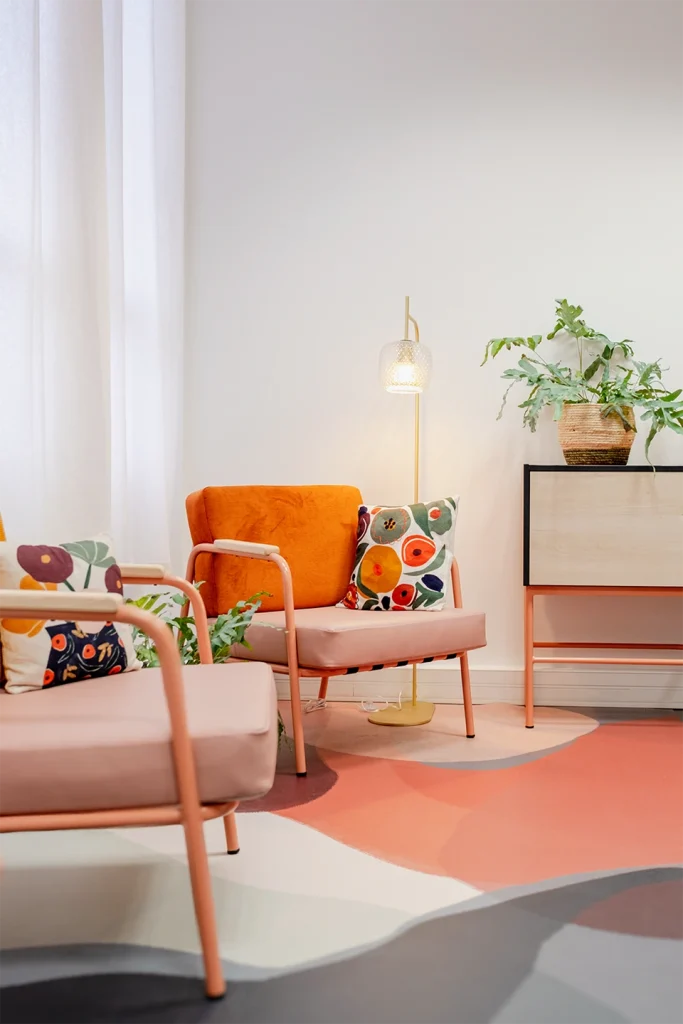
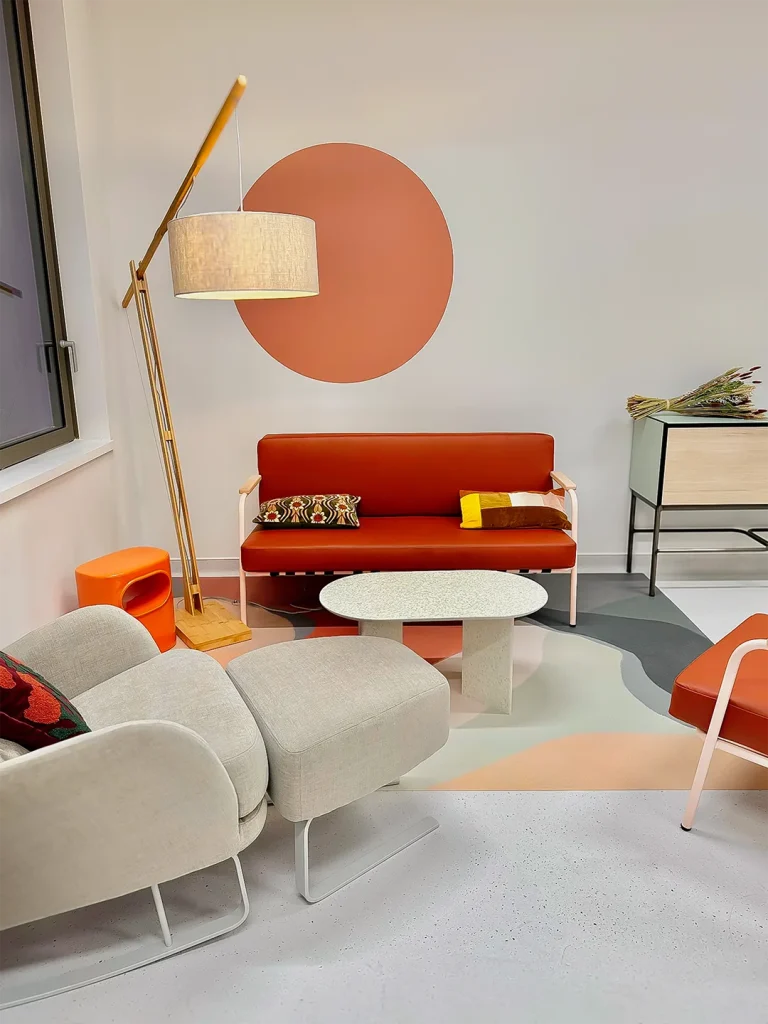
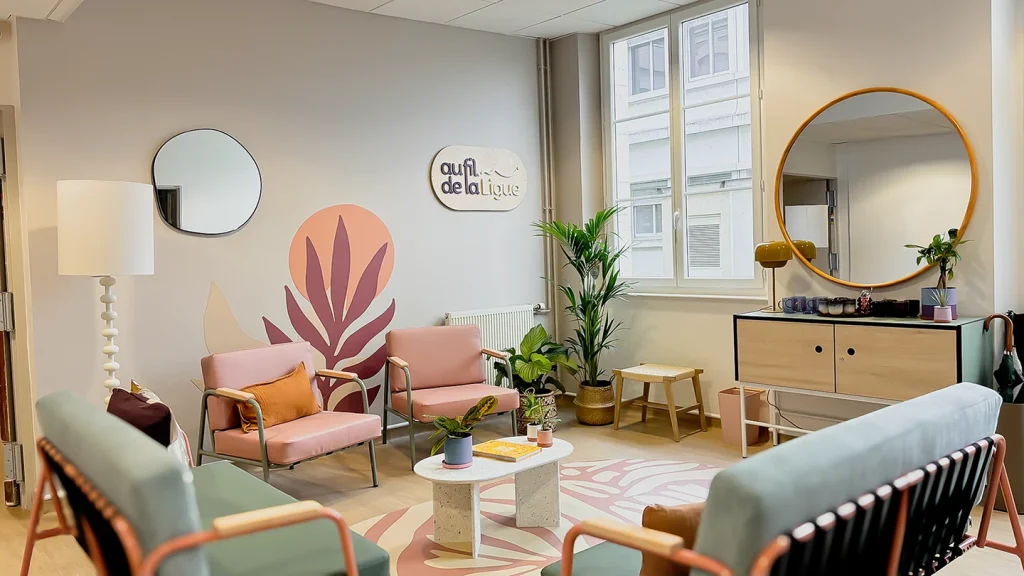
Are you an HR manager, Office Manager, or QWL Officer? A break room is flexible and easy to integrate into your workplace, with no construction or modifications needed. A comfortable, stylish space designed for daily use—not just for decoration.
From micro-nap rooms to wellness spaces, Nap&Up designs tailored setups to meet your needs.
Because well-being is a driver of sustainable performance, we train your managers and HR teams on key public health issues. Our certified programs provide the tools to sustainably transform your company culture and safeguard your employees’ health.
« As part of the initiatives led by the 8 Advisory Works Council (CSE) to promote employee well-being, we called on Nap&Up to create and set up a rest room. Their support was of the highest quality, both in the design of the space and in providing and selling the pods.
The rest room is now fully integrated into employees’ daily routines: it is a true place for relaxation, accessible at any time of the day, meeting a real need. The pods are comfortable, easy to use via the app, and highly appreciated by staff.
This initiative has been a great success and concretely contributes to improving working conditions. »
Sarah Aniel and Arnaud Bensaid
CSE 8 Advisory
In an empty office, a quiet area with little foot traffic, a seldom-used meeting room, or an existing break space.
No, our solutions are designed to be installed without any construction work. Our nap pods and rest spaces fit seamlessly into your existing premises (unused offices, meeting rooms, break areas…).
It all depends on your project: a simple 6 m² corner can be enough to accommodate a pod. We adapt to your space constraints with modular and compact solutions. Our pod measures 90 cm x 170 cm (including the shelf). No large space is needed.
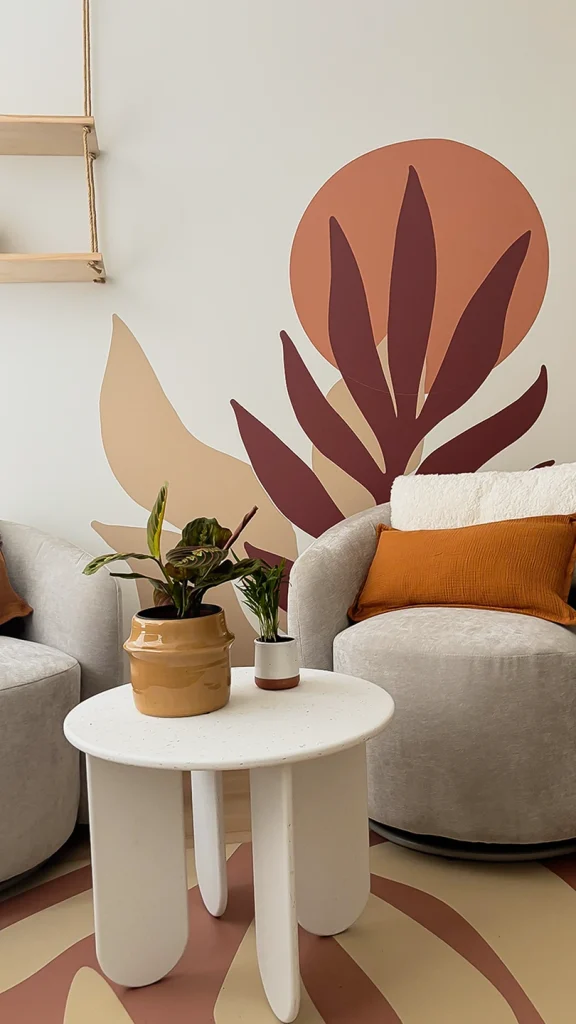
Yes! We’ve created customizable décor packs to personalize the atmosphere: shelves, lighting, stickers, rugs, poufs, and more. You can tailor the space to reflect your company’s identity.
Our teams support you from A to Z: space audits, 3D plans, recommendations, delivery, and turnkey installation. You don’t have to handle a thing!
Our setups are designed to promote genuine recovery (micro-napping, calm, sensory isolation), whereas a regular break area (sofa, foosball table, etc.) isn’t always enough to recharge.
Exactly. We design spaces according to your needs: micro-nap area, breastfeeding corner, wellness space, reading zone, or breathing area.
We provide an internal communication kit and offer HR support to encourage usage and address potential barriers.
Choose the universe you want to explore
Current
Recovery spaces for your teams